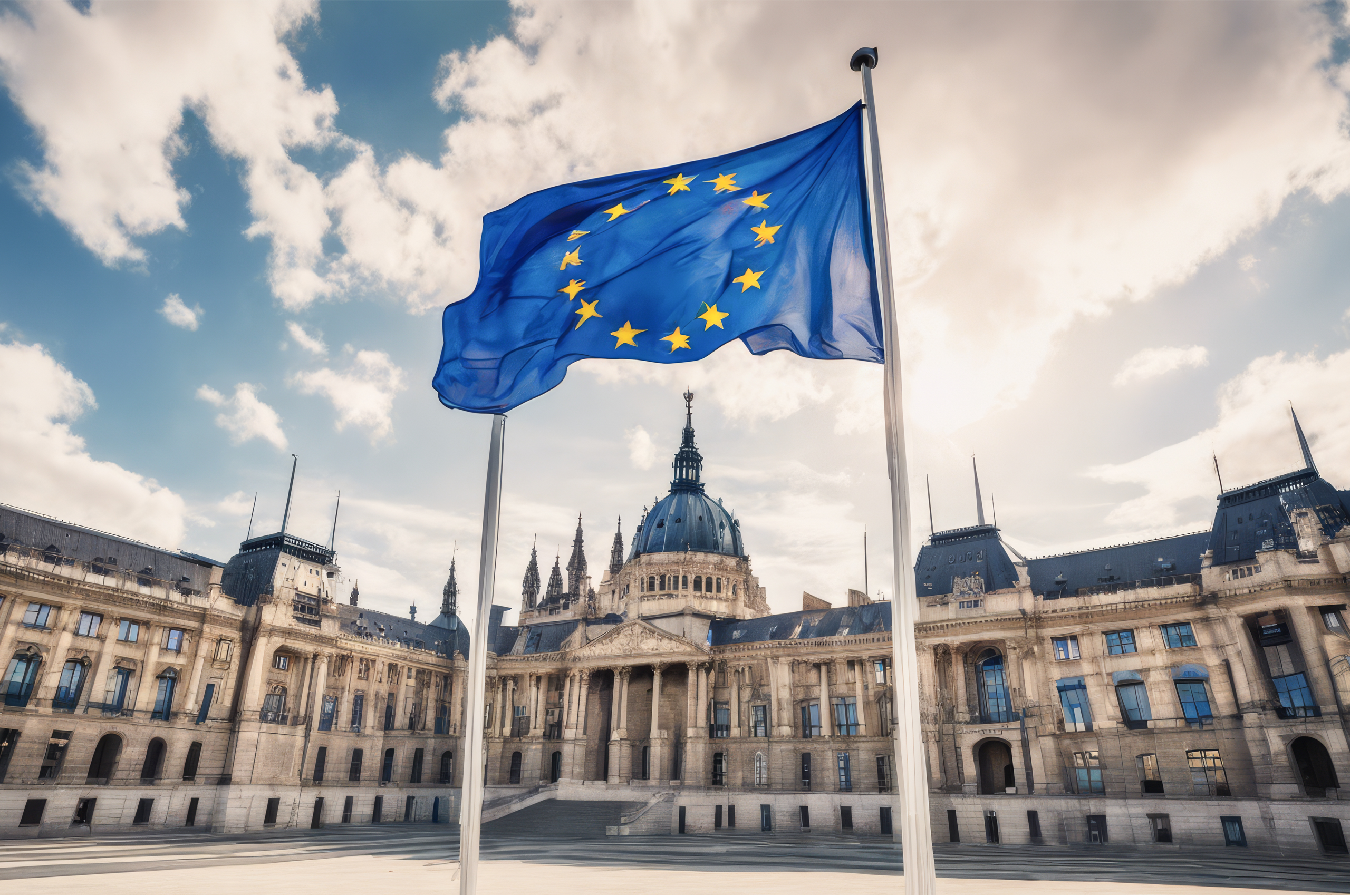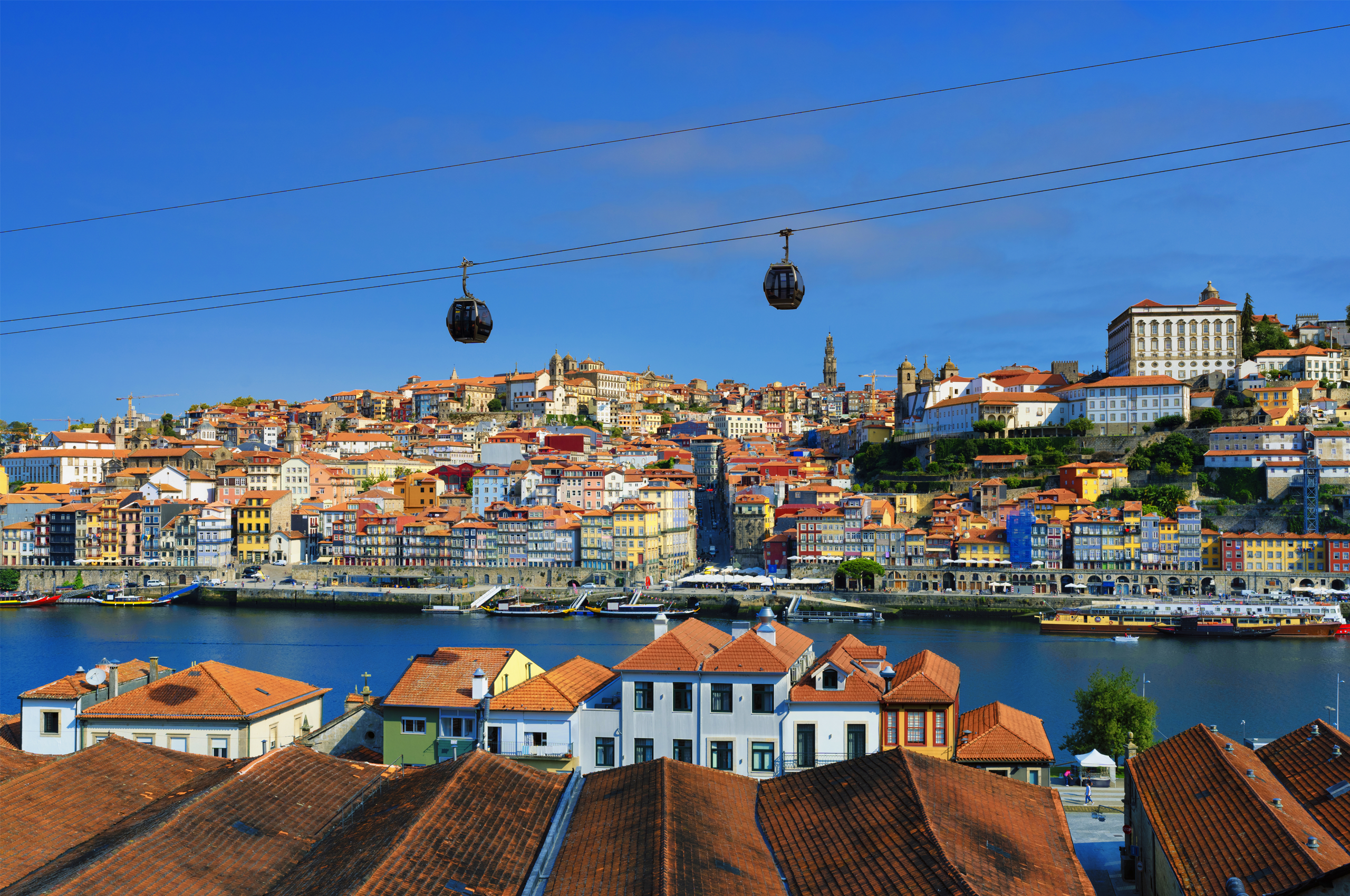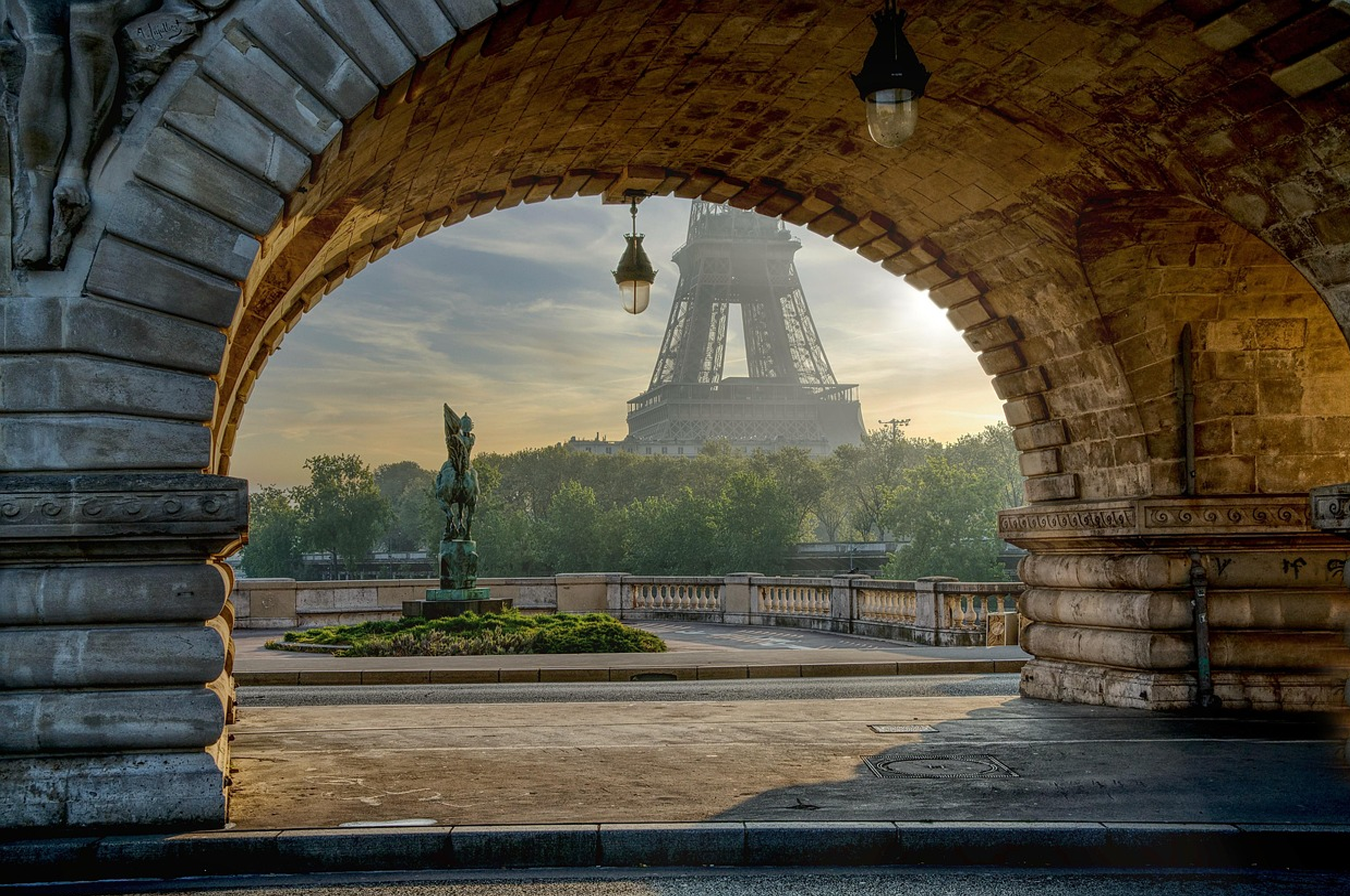
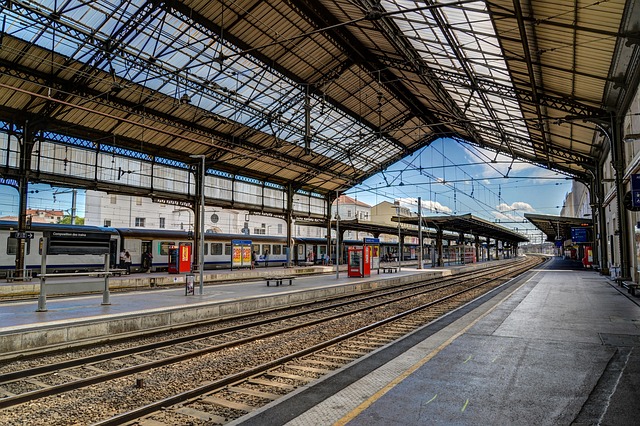
Views from the Train Traveling Through Europe by Train Some of my very first memories of traveling through Europe involve hopping on trains and making the most of every single day. I was in college when I first experienced the marvel of Europe’s rail system—sometimes visiting two or even three cities or towns in one day simply because it was possible. That kind of travel works in Europe thanks to an incredibly reliable rail network, reasonable pricing, and frequent departures. While not every destination can be reached by train, you can go remarkably far by rail alone. And although I do enjoy renting a car from time to time, trains offer advantages that are hard to beat. Years later, I still find myself choosing trains again and again on my European adventures—they remain one of my favorite ways to experience the continent. Why Train Travel in Europe Is So Special Traveling through Europe by train isn’t just a way to get around—it’s part of the adventure. Trains turn the journey itself into a highlight: gliding past Alpine peaks, rolling vineyards, sparkling coastlines, and storybook towns you’d completely miss by flying. You step on in one city center and step off in another—no long security lines, no stress—just comfortable seats, big windows, and the freedom to watch Europe unfold. One morning you’re sipping coffee in Paris, and by afternoon you’re wandering Amsterdam’s canals. It’s flexible, scenic, and surprisingly fun, whether you’re hopping between major capitals or taking slow, breathtaking routes through the mountains. If you want a trip that feels effortless, immersive, and genuinely exciting, Europe by train is hard to beat. Understanding European Trains Regional Trains vs. High-Speed Trains Regional & Local Trains Slower, with more stops Ideal for short distances, villages, and smaller towns Usually no seat reservations required Great for flexibility and spontaneous travel Often less expensive High-Speed & Long-Distance Trains Connect major cities quickly (think Paris–London or Rome–Florence) Require seat reservations Very comfortable, smooth, and efficient Ideal for covering longer distances in less time Often feature onboard dining, Wi-Fi, and quiet cars Many travelers use a mix of both—fast trains for long stretches and regional trains for exploring charming smaller destinations. Train Classes Explained European trains offer several classes, and while names vary slightly by country, here’s what you can generally expect: Second Class / Economy Comfortable and efficient Standard seating with ample legroom Perfect for most travelers Excellent value for money First Class Larger, more spacious seats Quieter environment Fewer passengers per car Often includes power outlets and more luggage space Business / Premier (on select routes) Found on certain high-speed or international trains Premium seating with extra space Sometimes includes meals, drinks, or lounge access Ideal for longer journeys or travelers seeking added comfort Quiet Cars Available in many first- and second-class sections Conversation and phone use are strongly discouraged Perfect for reading, working, or simply enjoying the ride Iconic Train Routes to Explore Scenic & Legendary Routes Glacier Express (Zermatt → St. Moritz, Switzerland) Time: ~8 hours Why it’s special: Known as the “slowest express train in the world” Views: Alps, deep valleys, 291 bridges, 91 tunnels Best time: Winter (snowy magic) or summer (lush valleys) Tip: Reserve panoramic cars early—they’re worth it Bernina Express (Chur → Tirano, Switzerland → Italy) Time: ~4–4.5 hours Why it’s special: UNESCO World Heritage railway Views: Glaciers, turquoise lakes, spiral viaducts Best time: Year-round Tip: Sit on the right side when traveling Chur → Tirano Oslo → Bergen (Norway) Time: ~6.5–7 hours Why it’s special: One of the world’s most beautiful train journeys Views: Fjords, waterfalls, forests, mountains Best time: Late spring through early autumn Tip: Daylight hours matter—window seats are essential West Highland Line (Glasgow → Mallaig, Scotland) Time: ~5–6 hours Why it’s special: Wild, remote landscapes Views: Lochs, moors, mountains, Glenfinnan Viaduct Best time: May–September Tip: Sit on the left side for the best viaduct views Classic City-to-City Routes Paris → London (Eurostar) Time: ~2h 15m Why it’s special: Travels under the English Channel Tip: Arrive early for passport checks Paris → Amsterdam Time: ~3–3.5 hours Why it’s special: Smooth, frequent, and very reliable Tip: Book early for better fares Rome → Florence → Venice Rome → Florence: ~1.5 hours Florence → Venice: ~2 hours Why it’s special: Italy’s high-speed rail is exceptional Tip: Choose Frecciarossa or Italo trains Barcelona → Marseille → Nice Barcelona → Marseille: ~4.5–5 hours Marseille → Nice: ~2.5 hours Why it’s special: Mediterranean coastline views Best time: April–June or September Cinque Terre Line (Italy) Route: La Spezia ↔ Monterosso Time: ~20 minutes end to end Why it’s special: Cliffside villages perched above the sea Tip: A Cinque Terre train pass makes hopping on and off easy Berlin → Prague → Vienna → Budapest Berlin → Prague: ~4.5 hours Prague → Vienna: ~4 hours Vienna → Budapest: ~2.5 hours Why it’s special: Culture-rich, affordable, seamless connections Tip: Frequent departures make planning stress-free Eating & Drinking on European Trains Dining Cars: Full sit-down meals on longer international routes Bistro / Café Cars: Coffee, snacks, and light meals Refreshment Trolleys: Snacks and drinks brought directly to your seat DIY: You can also bring your own snacks or lunch, perfectly acceptable and you can even bring wine! Fun European Train Facts The “Hogwarts Express” was inspired by Scotland’s West Highland Line Quiet cars exist where even whispering is frowned upon Some towns still use train whistles as informal alarm clocks First class often includes larger seats, extra space, and Wi-Fi Swiss trains reach villages over 2,000 meters above sea level That’s why we include train travel in most of our itineraries—to ensure you experience Europe the way it’s meant to be seen. From recommending the most scenic routes to selecting the best class of service for your comfort and style, we take care of the details so you can simply enjoy the journey. Whether it’s your first time riding European rails or your tenth, let us help… Continue reading Views From the Train