Portugal-Small Country, Big Adventure

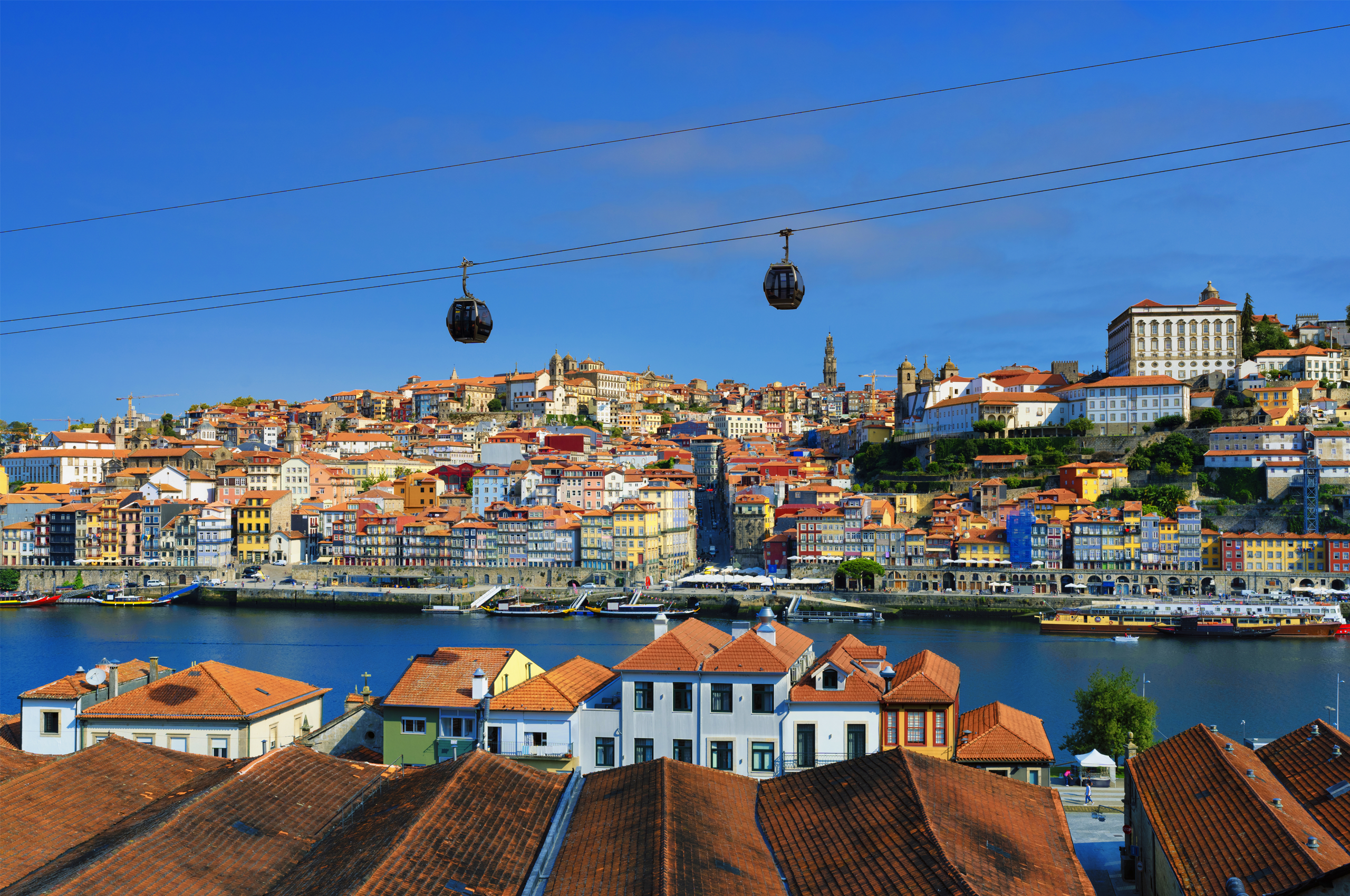
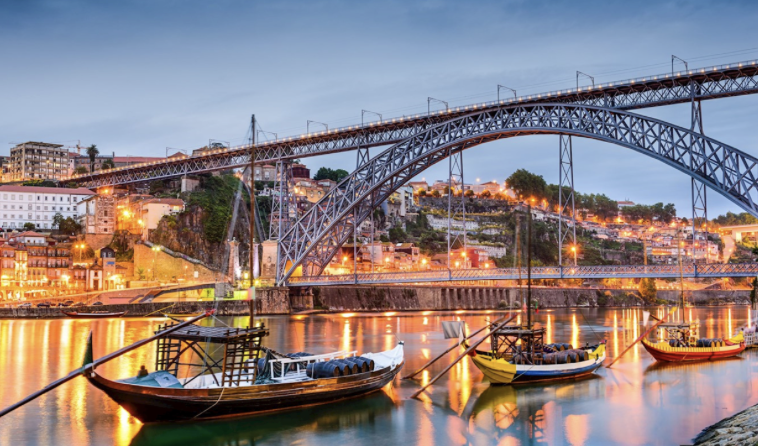
Portugal has a way of winning you over almost instantly. What I love most is the incredible year-round weather and the genuinely warm, welcoming people who make you feel at home wherever you go. There’s also something magical about stumbling upon pastéis de nata (cream pies) on nearly every corner, paired with some of the freshest—and most affordable—seafood I’ve ever had.   Traveling around Portugal feels wonderfully easy. It’s a small country, so distances are short, driving is stress-free, and the train system is reliable and comfortable. Add in excellent flight connections from the U.S., and it becomes one of the most accessible European destinations. Above all, Portugal offers an irresistible mix of charm, history, and unforgettable food that keeps calling me back.   Portugal: Small Country, Big Adventure!  Ready for your next great getaway? Portugal is the perfect mix of sunshine, scenery, and seriously good vibes! Wander through Lisbon’s colorful streets, hop on a vintage tram, and end your day with a glass of local wine and a pastel de nata (trust us, one won’t be enough). Head north to Porto for stunning river views and world-famous port wine, or chase the sun south to the Algarve, where golden beaches and hidden coves are calling your name.   When :The best times to visit are spring (April–June) and fall (September–October) — warm weather, fewer crowds, and just the right mix of city buzz and coastal chill. Summer’s great if you love the beach scene, while winter offers mild temps and sweet travel deals.   Why :Because it’s got it all: friendly locals, amazing food, rich history, and some of the most beautiful coastlines in Europe — all in one easy-to-explore country. Whether you’re a foodie, a history buff, or just need some sun and sangria, Portugal’s waiting with open arms.   Top Places –   Historic and cultural towns Sintra: A fairytale destination with stunning palaces and parks, like the colorful Pena Palace. Coimbra: Home to one of Portugal’s oldest and most magnificent universities. Évora: Features impressive historical architecture and a well-preserved old town. Óbidos: A charming, walled medieval hilltop town. Braga: A historic city with many churches and a rich cultural heritage.    Coastal and island destinations The Algarve: A southern region famous for its beautiful beaches, cliffs, and fishing villages. Aveiro: Nicknamed the “Venice of Portugal” for its canals and colorful moliceiro boats. The Azores: A volcanic archipelago known for its dramatic landscapes, lakes, and whale watching. Madeira: A subtropical island with lush landscapes, flower gardens, and scenic cliffs.    Nature and wine regions Douro Valley: A stunning wine region with terraced vineyards along the Douro River, perfect for wine tasting. Peneda-Gerês National Park: Portugal’s only national park, offering beautiful hiking and natural scenery in the north.  *Link a Sample Itineray* will send you link! Photos of Annette in some of these places   Best way to get around    Recommended combos: Lisbon → Porto: Train (fast + scenic) Porto → Douro Valley: Train or locally guided small group tour Lisbon → Évora → Algarve: Bus, drive or locally guided small group tour Algarve exploration: Rent a car for best overall experience   Random Facts- Oldest Bookstore: The Bertrand Bookstore in Lisbon opened in 1732 and is the oldest bookstore in the world still in operation.  Largest Cork Producer: Portugal produces approximately 60% of the world’s cork, with the best cork coming from the Algarve region.  Oldest Nation in Europe: Portugal is considered the oldest nation-state in Europe, with defined borders since 1139 and a nearly intact border since 1297.  Oldest University: The University of Coimbra, established in 1290, is one of the oldest universities in Europe.  Surfing Paradise: Portugal has some of the biggest waves in the world, with the waves at Nazaré attracting surfers from across the globe.  Global Language: Portuguese is the official language in nine other countries, including Brazil, Angola, and Mozambique, making it the sixth-most spoken language in the world.  Longest bridge: The Vasco da Gama Bridge in Lisbon is the longest bridge in Europe, stretching over 17 km across the Tagus River.      Foods You Can’t Leave Without Trying   Lisbon & Central Portugal Pastel de Nata– Famous custard tarts from Pastéis de Belém Bacalhau à Brás / à Gomes de Sá– Salted cod in countless delicious versions. Sardinhas Assadas– Grilled sardines, especially in summer festivals. Caldo Verde– Comforting kale and potato soup. Porto & Northern Portugal Francesinha – A massive, cheesy, meat-stuffed sandwich drenched in beer sauce. Tripas à Moda do Porto – Traditional tripe stew (for adventurous eaters!). Alentejo Açorda Alentejana – Bread soup with garlic, cilantro, and poached egg. Porco Preto – Tender black pork dishes from local acorn-fed pigs. Algarve Cataplana de Marisco – Rich seafood stew cooked in a copper pot. Polvo à Lagareiro – Tender octopus roasted with olive oil and potatoes.   Drinks to Try Port Wine – Sweet fortified wine from Porto (try Tawny and Ruby styles). Madeira Wine– also fortified wine from the island of MAdeira Vinho Verde – Young, slightly sparkling white wine from the north. Ginjinha – Cherry liqueur sipped from tiny glasses in Lisbon or Obidos. Moscatel de Setúbal – Sweet dessert wine with orange notes. Licor Beirão – Aromatic herbal liqueur from the center of Portugal.   Let’s get your Portugal adventure started!    
You had me at Opa!

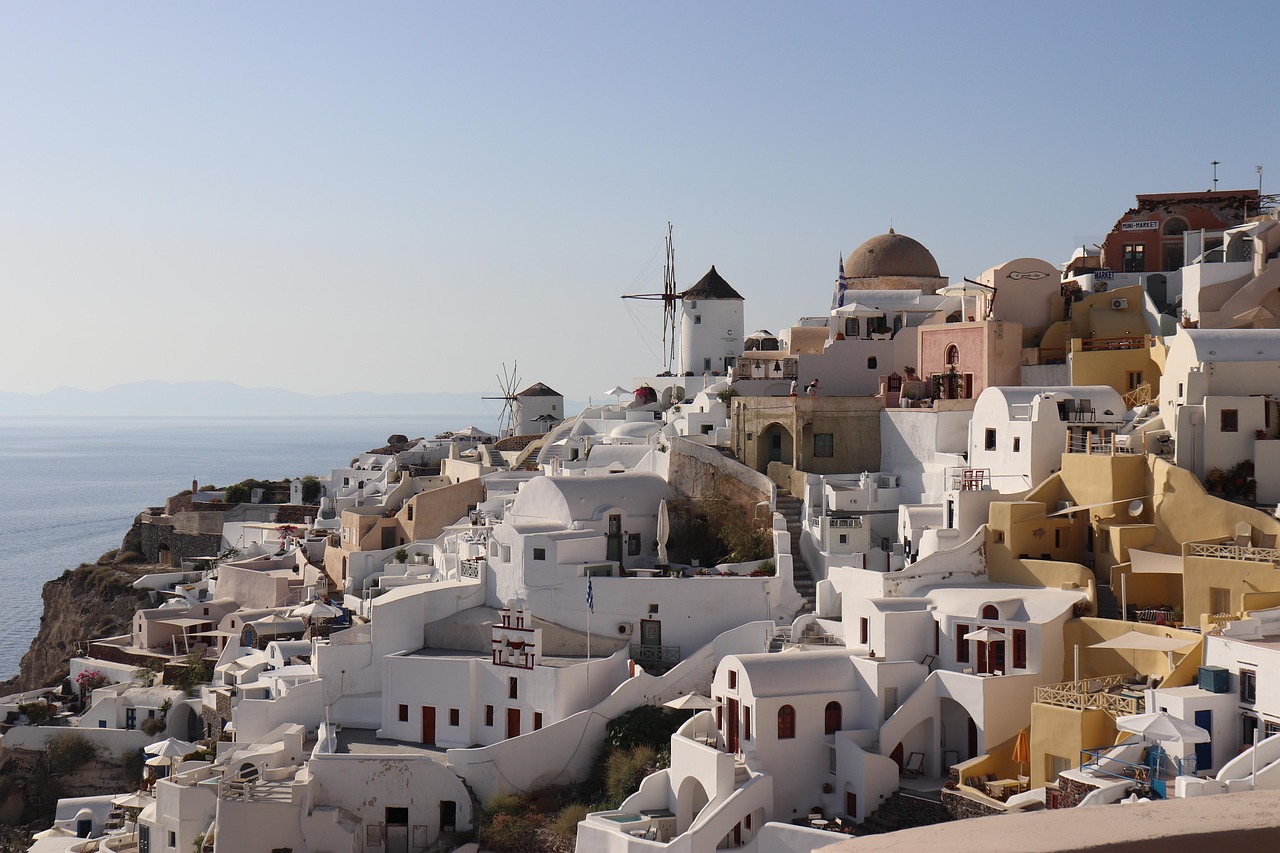
You had me at Opa! How to Spend 1 Week in Greece…or a bit more if you have the time!   When most people think of Greece, two images usually come to mind: the blue-and-white houses of the islands and a plate of fresh Greek salad topped with feta. But Greece is so much more than that—it’s one of Europe’s most fascinating destinations. With over 300 sunny days a year, 6,000 islands and islets, 18 UNESCO World Heritage Sites, and nearly 10,000 miles of coastline, Greece blends breathtaking landscapes, ancient history, and incredible food into one unforgettable experience. Of course, one week is never enough—but if that’s all the time you have, here’s how to make the most of it.   Suggested Itinerary   Athens (2–3 nights):Start (or end) your trip in Athens, Greece’s vibrant capital. The Parthenon atop the Acropolis is a must-see, offering a glimpse into Ancient Greece’s glory. Afterward, wander through the Plaka neighborhood, filled with boutiques, jewelry shops, and cozy tavernas. In the evenings, enjoy sidewalk cafés and lively bars. While destinations like Meteora, Thessaloniki, and Mount Olympus are also worth visiting, you’d need extra days to include them. Islands (4–5 nights):From Athens, hop on a short flight or ferry to the islands. With a week, I recommend splitting your time between two islands—or spending all four or five nights on one for a more relaxed pace.   Top Island Picks   Santorini (3 nights):Santorini is famous for its dramatic caldera views, terraced whitewashed houses, blue-domed churches, and stunning sunsets. The town of Oia is picture-perfect and an absolute must. Beyond the views, you can sample excellent local wines, hike along the caldera, explore volcanic beaches, or simply relax and soak it all in. Summer can be very crowded, so spring and fall are ideal times to visit. Mykonos (2–3 nights):Mykonos has a flatter landscape and a lively, cosmopolitan vibe. It’s known for its sandy beaches, vibrant nightlife, charming Little Venice, and boutique-filled streets. From here, it’s easy to visit nearby islands like Paros, Naxos, or Delos, the mythical birthplace of Apollo. Sailing trips and catamaran excursions are also popular ways to explore.   Other Island Options   If you’d like to go beyond the “big two” or if you have a few more days to spare, consider Corfu (lush and green with Venetian influence), Rhodes (rich in medieval history), Naxos (laid-back with fantastic beaches and food), or Paros (a charming mix of culture and relaxation). Each has its own personality, so you can’t go wrong.   Travel Tips   Flights & Ferries: Athens International Airport is your main entry point. From there, flights and ferries connect you to the islands. Travel times vary, so plan connections carefully. Seasonality: The best months to visit are May–October. July and August are peak season—expect crowds and higher prices. Spring and fall offer pleasant weather, fewer tourists, and better value. Trip Style: Want variety? Split your week between Athens, Santorini, and Mykonos. Prefer relaxation? Stay a day longer in Athens and focus the rest of your time on just one island. When to Book: Now is the perfect time to start planning for next year to get the best choice of hotels before prices go up and availability becomes more limited.   In just one week, Greece offers a taste of history, culture, beaches, and unforgettable food. While you’ll almost certainly want to come back for more, this itinerary will give you a perfect first introduction to this sun-soaked, enchanting country. 

European Christmas Markets

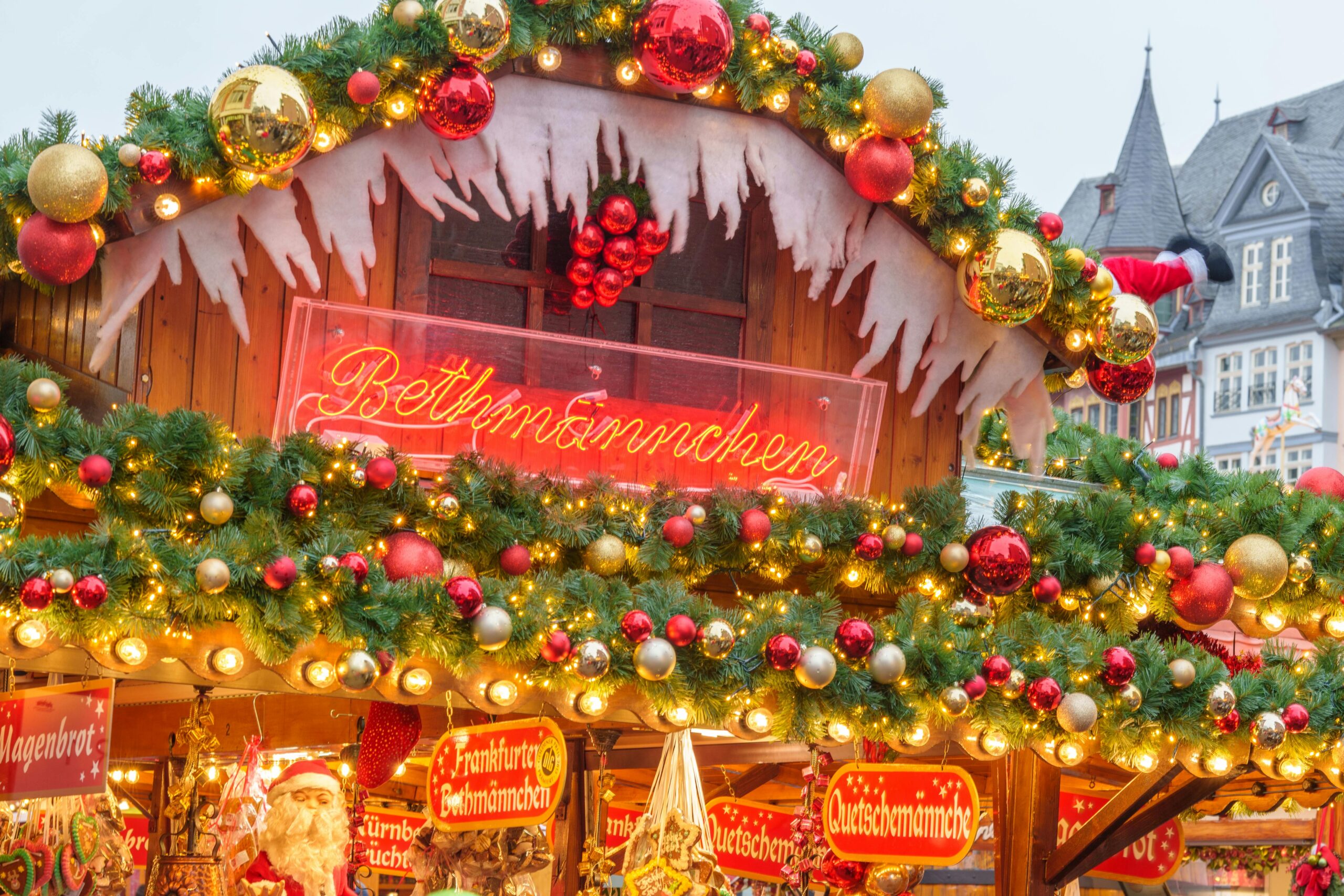
European Christmas Markets Wander into a Winter Wonderland – Discover Europe’s Most Enchanting Christmas Markets As the holiday season approaches, there’s no better way to embrace the spirit of Christmas than strolling through cobblestone streets under twinkling lights, sipping hot mulled wine, and browsing handcrafted gifts while carolers sing in the background. Sound like a dream? It’s not—it’s Europe during Christmas market season, and you’re invited to experience it firsthand! Top Christmas Markets to Explore:  Vienna, AustriaElegant and romantic, Vienna’s market in front of the Rathaus (City Hall) is one of the oldest and most beautiful. Ice skating, choirs, and gourmet treats make this a winter wonderland.  Strasbourg, FranceKnown as the “Capital of Christmas,” Strasbourg has been hosting festive markets since 1570. The half-timbered houses and canals create the perfect fairy-tale setting. Munich, GermanyThe heart of Bavaria shines with dozens of markets, but the Marienplatz market, beneath the glowing Glockenspiel, is a showstopper. Don’t miss the roasted nuts and traditional bratwurst!  Prague, Czech RepublicThe Old Town Square transforms into a sparkling Christmas village with Czech pastries, ornate ornaments, and a giant tree against the gothic backdrop of Týn Church.  Budapest, HungaryTwo main markets—Vörösmarty Square and St. Stephen’s Basilica—are lit up with 3D light shows, folk dancing, and Hungarian chimney cakes that will steal your heart (and your appetite). Rome, Italy The Christmas market in Piazza Navova, Rome is one of the city’s most festive holiday traditions. Set against the backdrop of Bernini’s fountains and Baroque palaces, the square transforms into a lively fairground with stalls selling sweets, toys, ornaments, nativity figures, and holiday treats like roasted chestnuts and candy. European Christmas Market Food & Drink Guide  Savory Foods Bratwurst (Germany, Austria)– Grilled sausage in a bun with mustard or sauerkraut. Raclette (Switzerland, France)– Melted cheese over potatoes, pickles, and cured meats. Tartiflette (France – Alsace)– Cheesy potato dish with bacon and onions. Lángos (Hungary)– Deep-fried dough topped with garlic, sour cream, and cheese. Pierogi (Poland)– Dumplings filled with potato, cheese, meat, or fruit. Sweet Treats Chimney Cake / Kürtőskalács (Hungary, Czechia, Romania)– Spiral-shaped pastry, sugar-coated, sometimes filled. Lebkuchen (Germany)– Soft spiced gingerbread cookies, often chocolate-coated. Stollen (Germany)– Fruit bread with marzipan, nuts, and powdered sugar. Speculaas / Speculoos (Belgium, Netherlands)– Spiced shortbread cookies, traditionally festive-shaped. Belgian Waffles (Belgium)– Crispy waffles with cream, chocolate, or fruit toppings.  Warm Holiday Drinks Glühwein / Mulled Wine (All over Europe)– Spiced red (or white) wine, served hot. Feuerzangenbowle (Germany)– Mulled wine with flaming rum-soaked sugar dripped in. Hot Chocolate (Europe-wide)– Thick and creamy, especially rich in Spain and Italy. Eierpunsch (Germany, Austria)– Hot egg-based drink with vanilla and rum. Fondue Cups (Alpine regions)– Small bread bowls filled with molten cheese. Marzipan Sweets (Germany, Austria)– Almond paste treats shaped or dipped in chocolate. Candied Nuts (Everywhere)– Warm roasted nuts coated in cinnamon sugar.    Best Way to Get There Although we’d love to to hop on Saint Nicks Sleight we recommend you Fly into a major European hub like Frankfurt, Vienna, or Munich—all offer nonstop flights from many U.S. cities. From there, enjoy seamless train rides or short flights between cities. We can help you build a custom itinerary that flows smoothly across your dream destinations.    Best Time to Visit Plan your trip for early to mid-December (December 5–15 is ideal!).You’ll catch all the festive spirit before the crowds peak and while the markets are in full swing. Bonus: flights and hotels are often more affordable than over the Christmas holiday.   Fun Christmas Market Historical Facts   *The Oldest Christmas Market Dates Back to 1434-The Striezelmarkt in Dresden, Germany, is widely considered the oldest official Christmas market in the world. It began in 1434 as a one-day meat market before Christmas. Today, it draws over 2 million visitors each year! *Mulled Wine (Glühwein) Has Ancient Origins-The hot spiced wine we all love at Christmas markets traces back to the Romans, who drank heated wine infused with spices. Glühwein became a winter staple in the colder climates of Europe and is now a must-have at every market. *Ornaments Originated in Germany-The tradition of decorating Christmas trees with glass baubles started in the town of Lauscha, Germany, in the 1800s. Today, many Christmas markets across Germany and Austria still feature hand-blown glass ornaments made using centuries-old techniques. *Santa’s Cousin? Meet the Christkind –In places like Germany and Austria, it’s not Santa who brings the gifts—it’s the Christkind, a glowing angel with golden curls and a flowing gown. Kids line up at markets to see her, and in Nuremberg, she even reads a magical poem from a balcony to open the market! *Gingerbread That’s Older Than Grandma’s Recipe-Lebkuchen, the spiced German gingerbread, has been delighting sweet tooths since the Middle Ages! Monks first baked it in the 13th century. Today, you’ll find beautifully decorated hearts with cute messages hanging in stalls across every market. Pro tip: bring one home for someone sweet.

Views From the Train

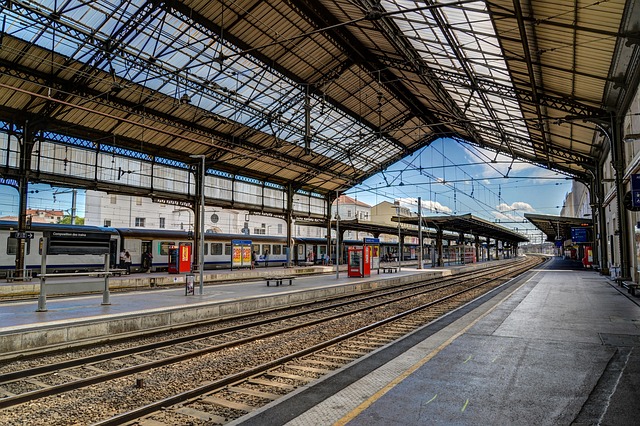
Views from the Train Traveling Through Europe by Train Some of my very first memories of traveling through Europe involve hopping on trains and making the most of every single day. I was in college when I first experienced the marvel of Europe’s rail system—sometimes visiting two or even three cities or towns in one day simply because it was possible. That kind of travel works in Europe thanks to an incredibly reliable rail network, reasonable pricing, and frequent departures. While not every destination can be reached by train, you can go remarkably far by rail alone. And although I do enjoy renting a car from time to time, trains offer advantages that are hard to beat. Years later, I still find myself choosing trains again and again on my European adventures—they remain one of my favorite ways to experience the continent. Why Train Travel in Europe Is So Special Traveling through Europe by train isn’t just a way to get around—it’s part of the adventure. Trains turn the journey itself into a highlight: gliding past Alpine peaks, rolling vineyards, sparkling coastlines, and storybook towns you’d completely miss by flying. You step on in one city center and step off in another—no long security lines, no stress—just comfortable seats, big windows, and the freedom to watch Europe unfold. One morning you’re sipping coffee in Paris, and by afternoon you’re wandering Amsterdam’s canals. It’s flexible, scenic, and surprisingly fun, whether you’re hopping between major capitals or taking slow, breathtaking routes through the mountains. If you want a trip that feels effortless, immersive, and genuinely exciting, Europe by train is hard to beat.   Understanding European Trains Regional Trains vs. High-Speed Trains Regional & Local Trains Slower, with more stops Ideal for short distances, villages, and smaller towns Usually no seat reservations required Great for flexibility and spontaneous travel Often less expensive High-Speed & Long-Distance Trains Connect major cities quickly (think Paris–London or Rome–Florence) Require seat reservations Very comfortable, smooth, and efficient Ideal for covering longer distances in less time Often feature onboard dining, Wi-Fi, and quiet cars Many travelers use a mix of both—fast trains for long stretches and regional trains for exploring charming smaller destinations.   Train Classes Explained European trains offer several classes, and while names vary slightly by country, here’s what you can generally expect: Second Class / Economy Comfortable and efficient Standard seating with ample legroom Perfect for most travelers Excellent value for money First Class Larger, more spacious seats Quieter environment Fewer passengers per car Often includes power outlets and more luggage space Business / Premier (on select routes) Found on certain high-speed or international trains Premium seating with extra space Sometimes includes meals, drinks, or lounge access Ideal for longer journeys or travelers seeking added comfort Quiet Cars Available in many first- and second-class sections Conversation and phone use are strongly discouraged Perfect for reading, working, or simply enjoying the ride   Iconic Train Routes to Explore Scenic & Legendary Routes Glacier Express (Zermatt → St. Moritz, Switzerland) Time: ~8 hours Why it’s special: Known as the “slowest express train in the world” Views: Alps, deep valleys, 291 bridges, 91 tunnels Best time: Winter (snowy magic) or summer (lush valleys) Tip: Reserve panoramic cars early—they’re worth it Bernina Express (Chur → Tirano, Switzerland → Italy) Time: ~4–4.5 hours Why it’s special: UNESCO World Heritage railway Views: Glaciers, turquoise lakes, spiral viaducts Best time: Year-round Tip: Sit on the right side when traveling Chur → Tirano Oslo → Bergen (Norway) Time: ~6.5–7 hours Why it’s special: One of the world’s most beautiful train journeys Views: Fjords, waterfalls, forests, mountains Best time: Late spring through early autumn Tip: Daylight hours matter—window seats are essential West Highland Line (Glasgow → Mallaig, Scotland) Time: ~5–6 hours Why it’s special: Wild, remote landscapes Views: Lochs, moors, mountains, Glenfinnan Viaduct Best time: May–September Tip: Sit on the left side for the best viaduct views   Classic City-to-City Routes Paris → London (Eurostar) Time: ~2h 15m Why it’s special: Travels under the English Channel Tip: Arrive early for passport checks Paris → Amsterdam Time: ~3–3.5 hours Why it’s special: Smooth, frequent, and very reliable Tip: Book early for better fares Rome → Florence → Venice Rome → Florence: ~1.5 hours Florence → Venice: ~2 hours Why it’s special: Italy’s high-speed rail is exceptional Tip: Choose Frecciarossa or Italo trains Barcelona → Marseille → Nice Barcelona → Marseille: ~4.5–5 hours Marseille → Nice: ~2.5 hours Why it’s special: Mediterranean coastline views Best time: April–June or September Cinque Terre Line (Italy) Route: La Spezia ↔ Monterosso Time: ~20 minutes end to end Why it’s special: Cliffside villages perched above the sea Tip: A Cinque Terre train pass makes hopping on and off easy Berlin → Prague → Vienna → Budapest Berlin → Prague: ~4.5 hours Prague → Vienna: ~4 hours Vienna → Budapest: ~2.5 hours Why it’s special: Culture-rich, affordable, seamless connections Tip: Frequent departures make planning stress-free   Eating & Drinking on European Trains Dining Cars: Full sit-down meals on longer international routes Bistro / Café Cars: Coffee, snacks, and light meals Refreshment Trolleys: Snacks and drinks brought directly to your seat DIY: You can also bring your own snacks or lunch, perfectly acceptable and you can even bring wine!   Fun European Train Facts The “Hogwarts Express” was inspired by Scotland’s West Highland Line Quiet cars exist where even whispering is frowned upon Some towns still use train whistles as informal alarm clocks First class often includes larger seats, extra space, and Wi-Fi Swiss trains reach villages over 2,000 meters above sea level   That’s why we include train travel in most of our itineraries—to ensure you experience Europe the way it’s meant to be seen. From recommending the most scenic routes to selecting the best class of service for your comfort and style, we take care of the details so you can simply enjoy the journey. Whether it’s your first time riding European rails or your tenth, let us help… Continue reading Views From the Train

Holy Cannoli – Sicily

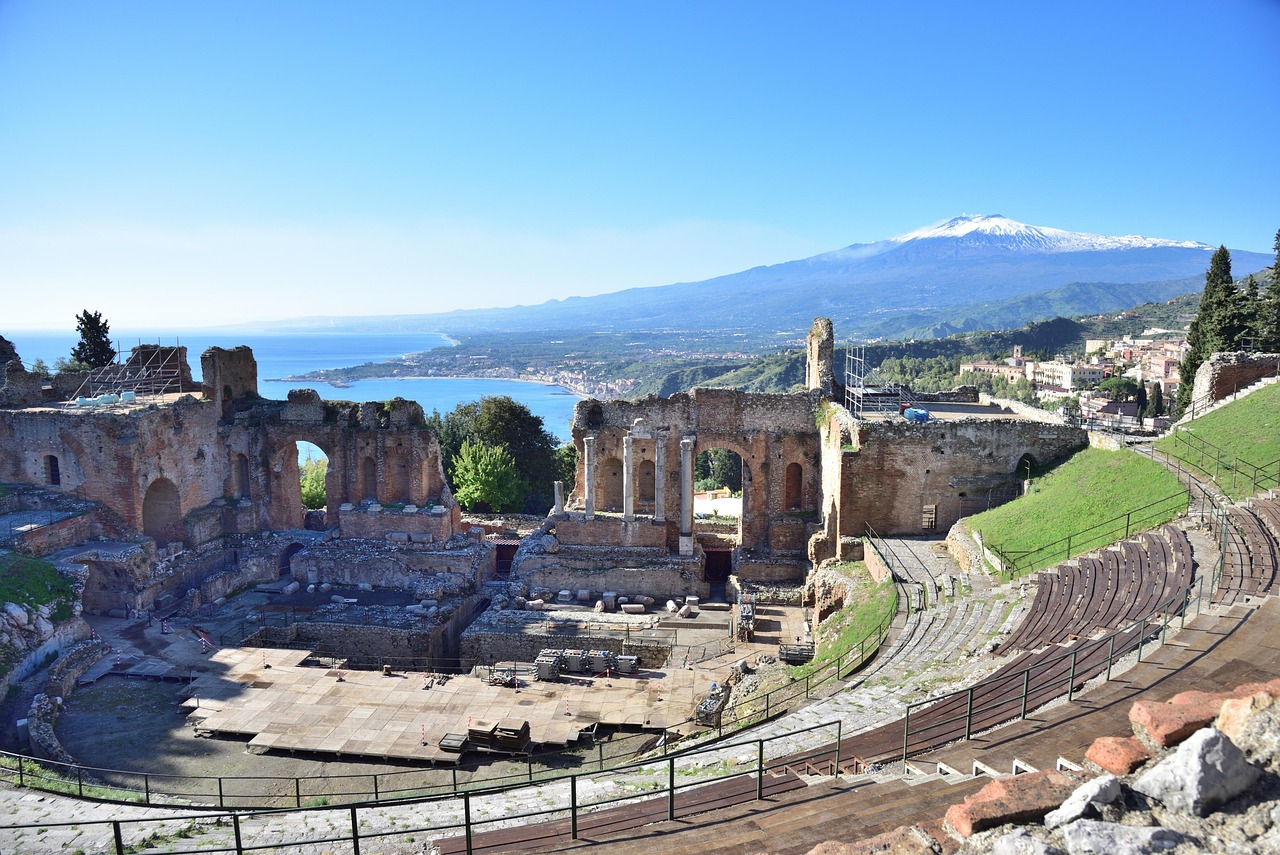
Sicily-The Jewel of the Mediterranean   Sicily is a cultural, culinary, and natural gem, offering everything from stunning beaches to ancient ruins and world-class food. If you’re dreaming of your next unforgettable getaway, let us tempt you with a destination that has it all: Sicily. This sun-drenched island at the heart of the Mediterranean is a captivating blend of history, culture, food, and natural beauty. Greek ruins in Agrigento, the dramatic landscapes of Mount Etna, Sicily is a treasure trove for curious explorers and laid-back wanderers alike. Whether you’re chasing culture, relaxation, or just a great plate of pasta with a view — Sicily delivers.   My Love Affair with Italy Began in Sicily Over 25 years ago, when I was just starting out in the travel industry, I was hired as a Tour Director for a major American tour operator. My assignments were supposed to be France (thanks to my French) and Alaska (not exactly a Miami girl’s dream!)… but fate had other plans. On a training trip to Sicily, an airline strike left half the group and the actual Tour Director stranded. Suddenly, I found myself—along with two other trainees—running the tour! With only ten words of Italian and a bit of Spanish, I managed to connect with locals, coordinate the trip, and keep everything running smoothly. When the rest of the group finally arrived, guests praised how “fluent” my Italian was and how well we had handled things. That experience changed everything. My assignment was switched from Alaska to Italy, I quickly learned Italian, and eventually moved there. And it all started in Sicily. To this day, Sicily remains one of my favorite corners of Italy—forever holding a special place in my heart.   Best Time to Visit Sicily Did you know?! -Cannoli Were Originally Made for Carnivals- Sicily’s most famous dessert, were originally made by nuns during Carnevale to celebrate indulgence before Lent. The name “cannolo” means “little tube” -Lizards Are Welcome Guests-Sicilians believe that having a lizard in your house brings good luck — so they’re often left alone to crawl across walls. -No Pepperoni Pizza-Ask for “pepperoni pizza” in Sicily and you’ll get bell peppers. Want spicy sausage? You want “salame piccante” or “nduja” — but expect something way hotter than in the U.S.! Ice from Etna Helped Invent Sorbet-Before refrigerators, people harvested snow from Mt. Etna, stored it in caves, and used it to chill sweet drinks. This practice may have led to the invention of sorbet (and later gelato!) Birthplace of Italian Puppetry-The traditional “Opera dei Pupi” (Puppet Opera) originated in Sicily in the 19th century. It’s even been recognized by UNESCO as a part of the world’s intangible cultural heritage.     Best way to get here By Air – Fastest & Easiest From Outside Italy Train + Flight Combo– Take a fast train to Rome or Naples → then a quick flight to Sicily or train all the way to Villa San Giovanni, then the train boards the ferry to Sicily Train (For the Experience) –You can take a train all the way to Sicily from mainland Italy

Bordeaux and Nouvelle Aquitaine

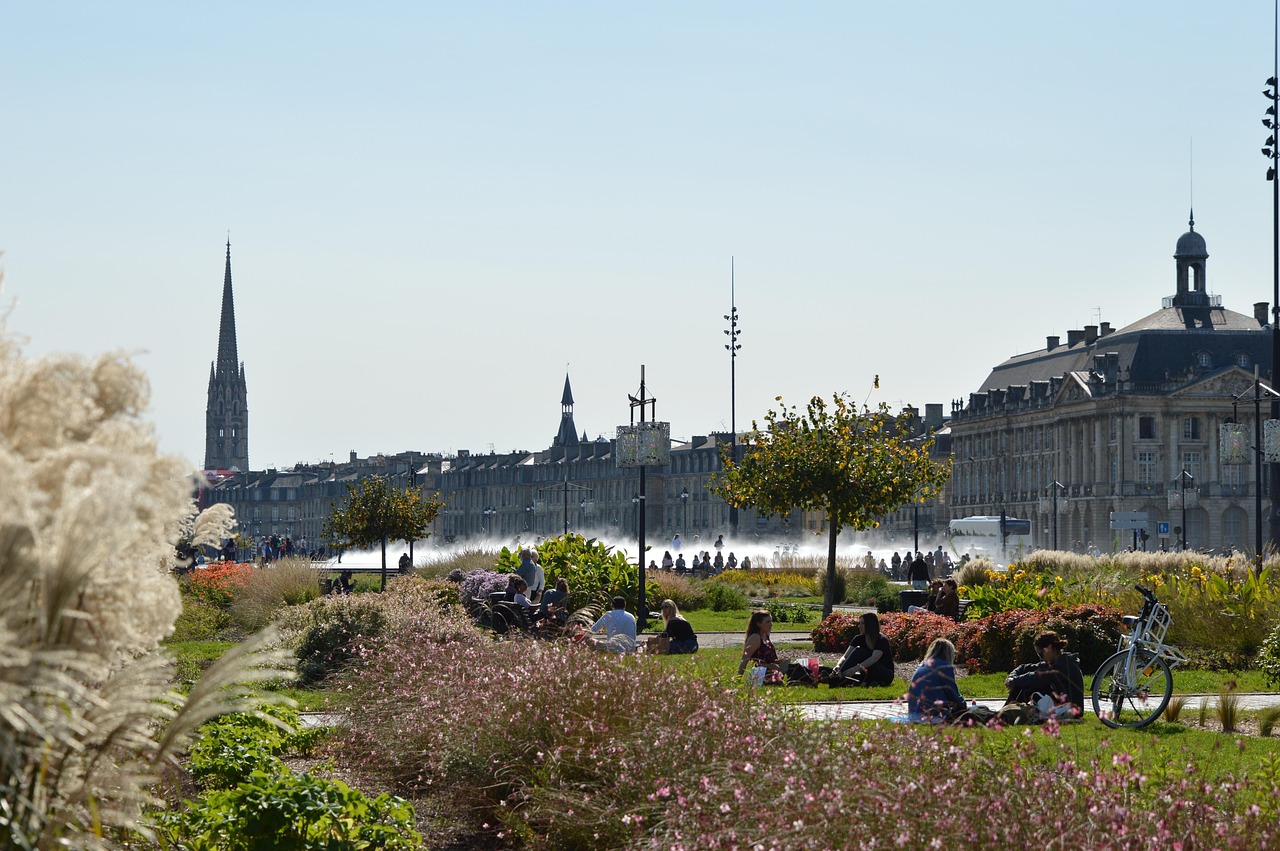
BONJOUR FROM Southern France! I recently had the chance to go back to the remarkable city of Bordeaux and the region of Nouvelle-Aquitaine, and I completely fell in love with the area all over again. The last time I visited Bordeaux was more than 15 years ago, and the changes since then absolutely blew me away. With Bordeaux as its vibrant capital, this region blends everything I adore about France — sunlit vineyards, medieval towns full of charm, dreamy castles, canal cruises, and of course, unforgettable food and wine. Stretching from the mountains to the coast, Nouvelle-Aquitaine is vast and diverse, offering a different rhythm and flavor at every turn. Bordeaux itself feels both renewed and timeless — cosmopolitan yet approachable, steeped in history yet buzzing with new life and international energy. Set along the river and celebrated worldwide for its wine, it’s also a place where local culture thrives in everyday life. Whether you’re drawn by the vineyards, the history, or the landscapes, Nouvelle-Aquitaine has a way of wrapping you up in its richness and leaving you wanting more. NOUVELLE-AQUITAINE • Périgueux & Périgord: Discover the heart of the Dordogne, where Roman ruins meet Renaissance mansions. Wander Périgueux’s old town and savor the region’s famed truffles and foie gras. • Sarlat-la-Canéda: Step into one of France’s most beautifully preserved medieval towns. Its golden-stone buildings, lively markets, and winding lanes transport you straight back in time. • Bergerac: Explore the land of Cyrano, where half-timbered houses line the Dordogne River. This wine capital is perfect for tastings of rich reds and sweet Monbazillac. • Rocamadour: Clinging dramatically to a cliffside, this pilgrimage village is a true marvel. Visit the sanctuary, climb the Grand Staircase, and take in sweeping views of the Alzou canyon. • The Dordogne Valley: Cruise the river by traditional gabarre boat, visit storybook villages like La Roque-Gageac, and admire hilltop castles overlooking lush countryside. • Beynac-et-Cazenac: Explore one of France’s most beautiful villages, crowned by its fortress-like château. Its cobbled streets and river views are unforgettable. • Cognac: Tour world-famous cellars and learn the art of distillation in the birthplace of this iconic spirit. Tastings here blend heritage and savoir-faire. • Armagnac: Discover France’s oldest brandy in Gascony. Visit small, family-run estates for a more rustic — and deeply authentic — tasting experience. Do Not miss these flavors! The regional cuisine you must try: Cassoulet: A hearty stew of white beans, duck confit, and sausage — the soul food of southern France. Roquefort Cheese: Produced in the caves of Aveyron. Pair with a glass of sweet wine for a perfect contrast. Aligot: A creamy blend of mashed potatoes and melted cheese. (mmmmmm) Tapenade & Brandade de Nîmes: Savory olive paste and cod purée spreads that pair perfectly with rustic bread. BORDEAUX World-Famous Wines, Stunning Architecture & Riverfront Charm Must-Do Activities: The regional cuisine and beverages you must try:• Foie Gras du Périgord: Silky, rich, and world-renowned — best enjoyed simply with toast or alongside a glass of sweet Monbazillac.• Magret de Canard: Duck breast seared to perfection, a signature dish of the southwest.• Truffles from Périgord: Earthy, aromatic, and luxurious — shaved over pasta, eggs, or potatoes.• Oysters from Arcachon Bay: Freshly harvested and best savored seaside with a splash of lemon and a glass of crisp white Bordeaux.• Cannelés de Bordeaux: Small caramelized cakes with a custardy center — the perfect sweet bite with coffee or dessert wine.• Cognac & Armagnac: Iconic regional brandies, each with its own character — smooth, warming, and a true taste of Nouvelle-Aquitaine. • Bordeaux Wines: From bold Médoc reds to elegant Saint-Émilion and Graves whites, this is the beating heart of French wine culture.• Bergerac & Monbazillac Wines: Neighboring appellations producing balanced reds and lusciously sweet whites that pair beautifully with the region’s cuisine. Here’s a seasonal travel guide for Nouvelle-Aquitaine in table form, highlighting weather, atmosphere, and the best times for visitors: Season Weather Atmosphere & Highlights Best For Spring (March – May) Mild to warm (54–72°F). Blossoming vineyards, fewer crowds. Countryside comes alive with greenery; markets fill with fresh produce; ideal for wine tastings and Dordogne explorations. Sightseeing without crowds, wine tours, walking and cycling, truffle markets (early spring). Summer (June – August) Warm to hot (68–90°F). Coastal breezes near the Atlantic. Peak season: lively festivals, busy beaches (Arcachon, Biarritz), bustling villages. Dordogne Valley & Bordeaux vineyards at their most vibrant. Beach holidays, river cruises, outdoor dining, festivals, vineyard tours. Autumn (September – November) Pleasant (59–77°F) cooling to crisp later. Harvest season: grape picking, wine festivals, golden foliage in the Dordogne, truffle season begins. Fewer tourists after October. Wine lovers, foodies (truffles, foie gras, chestnuts), scenic drives through vineyards. Winter (December – February) Cool to cold (41–54°F). Rarely severe, some rain. Quietest season; Christmas markets in Bordeaux; cozy dining with hearty regional dishes. Skiing possible in the Pyrenees (southern edge of region). Relaxed city breaks (Bordeaux, Cognac), cultural visits, food and brandy tastings, festive atmosphere. Amazing day trips FROM BORDEAUX  Saint-Émilion, Travel time: -40 min by train or car, UNESCO-listed medieval town, world-famous red wines, underground church, wine tasting in ancient châteaux.Fun extra: Rent e-bikes and cycle through the vineyards.  Arcachon & Dune du Pilat,Travel time: ~1h15 by train or car, Beautiful beach town + Europe’s tallest sand dune. Climb the dune for epic Atlantic views. Fun extra: Eat oysters at Cap Ferret or take a boat tour of Arcachon Bay. Landes de Gascogne Natural Park,Travel time: ~1h30, Canoeing, hiking, birdwatching in a tranquil pine forest. Great for nature lovers.  Blaye & Citadel, Travel time: ~1h by car/ferry, Vauban fortifications (UNESCO), scenic estuary views, local wine producers. Fun extra: Take the ferry across the Gironde estuary to Médoc. From Vineyards to Waves: Fun Facts About the Region From the sun-drenched vineyards of Bordeaux to the cliffside villages of Rocamadour, the medieval streets of Sarlat, and the windswept beaches of Arcachon Bay, Nouvelle-Aquitaine is a region that captivates every kind of traveler. Whether you’re savoring a silky foie… Continue reading Bordeaux and Nouvelle Aquitaine

Travel Seasons of Europe

If this is your first time visiting Italy, it may be hard to narrow down the best places to visit! There are so many magical places in this small country (roughly the size of New Mexico).

Spain & Portugal Travel Guide

If this is your first time visiting Italy, it may be hard to narrow down the best places to visit! There are so many magical places in this small country (roughly the size of New Mexico).

Scotland

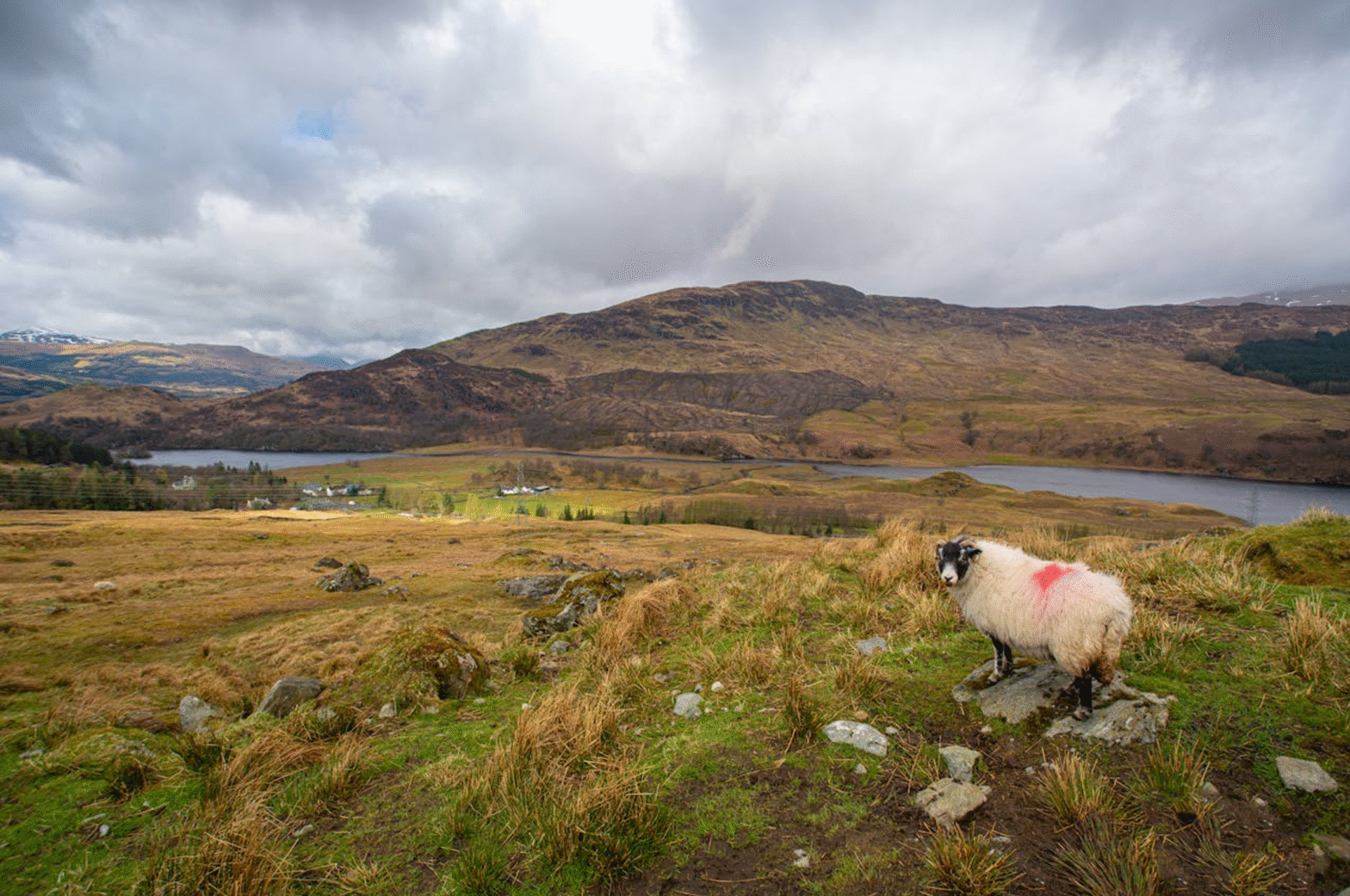
A Spirit of its Own Scotland is a land of dramatic landscapes, ancient castles, cozy pubs, and vibrant culture. From the Highlands to the historic streets of Edinburgh, the country offers something for every traveler. Whether you’re a history buff, nature lover, whisky connoisseur, or foodie, Scotland will leave you enchanted. When to go Scotland is a place you can visit year round….. Category Best Months The ideal weather May–June, September Hiking & nature May, early June, September Festivals & events July–August Fewer tourists April–May, September–October Winter scenery & New Years / Northern Lights November – January Top Things to Do and See Edinburgh Castle and the haunting ruins of Urquhart Castle top the list.  Don’t miss Eilean Donan Castle, you’ve definitely seen this one in photos before.   The Scottish Highlands are one of the most stunning natural areas in the UK. Hike Ben Nevis, the UK’s tallest mountain, or road trip along the North Coast 500 for rugged coastal views and beautiful villages.   Harry Potter fans will want to Ride the Jacobite Steam Train which travels over the Glenfinnan Viaduct offering spectacular views of the Scottish countryside.   Known for its mystical beauty, the Isle of Skye is home to the Fairy Pools, Old Man of Storr, and dramatic cliffs of the Quiraing.  In Edinburgh- Walk the Royal Mile, Climb Arthur’s Seat for panoramic view sand discover underground vaults with a spooky ghost tour. In Glasgow-explore the art scene at Kelvingrove Art Gallery, music at one of the city’s many live venues or venture through Ashton Lane for quirky bars and cafés.  In Loch Ness & Inverness-Hunt for Nessie, the mythical Loch Ness Monster, explore Inverness, the capital of the Highlands or visit Culloden Battlefield, the site of the last Jacobite uprising. Best Places to Eat and Drink Try Traditional Scottish Food!  Haggis (try it with neeps & tatties), Cullen Skink (smoked fish soup), and tablet (fudge-like dessert). Pair with a dram of single malt whisky or a pint in a local pub. Being the birthplace of whisky there are many distilleries in Islay, Speyside, or Highland regions. The Glenfiddich and Lagavulin distilleries are the most popular. Edinburgh-The Kitchin & The Scotch Whisky Experience Glasgow-Ubiquitous Chip, The Pot Still & The Bon Accord Things to know *The pound is the official currency in Scotland.  * Trains are a great way to travel.  *Driving: Remember it’s on the left side of the road. Narrow roads are common in rural areas *The Unicorn, yes, Unicorn, is the official animal of Scotland * Scotland is home to the oldest tree in Europe, 3000 years! Travel Tip Starting October 2024, most travelers visiting Scotland (and the rest of the UK) will need an ETA—an Electronic Travel Authorization—before arrival. It’s quick to apply online via the official UK government page or the ‘UK ETA’ app, costs £16 (subject to change), and is valid for multiple visits over two years. Make sure it’s approved before you travel; you can apply here:UK ETA.”

The Adriatic’s Best Kept Secret (shhh…it’s Montenegro!)

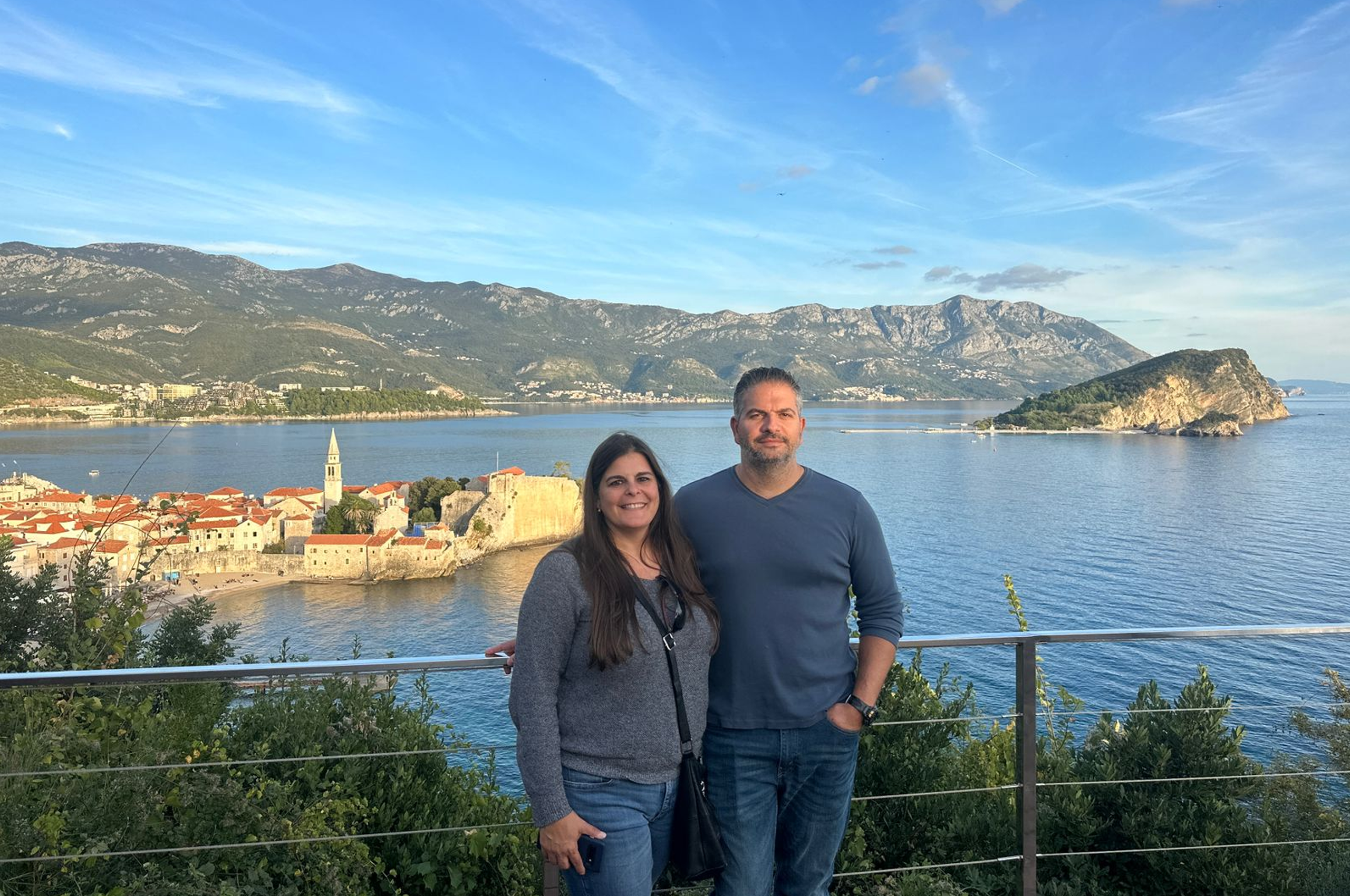
Montenegro (which means Black Mountain) is the destination where majestic mountains, medieval charm, sparkling blue coastlines and mountain coastlines come together. With delicious cuisine and lively nightlife plan to visit in June or September. For the perfect balance of weather and serenity, mix in well-known highlights with off-the-beaten-path escapes, soak in the warm hospitality and flavorful dishes at every turn. July & August are peak months, bustling with life and festivals, but still an exciting time to visit.  Winter is quieter, great for skiing in the north, but coastal resorts may close until Easter. Things to Do & Places to See In the Bay of Kotor and surrounding areas find yourself strolling the medieval Old Town of Kotor or visit St. Tryphon’s Cathedral and Maritime Museum. Hike the Ladder of Kotor (1,350 steps) up to St. John’s Fortress for panoramic views. Take a boat to Our Lady of the Rocks in Perast, the famous artificial island and church. Explore Durmitor National Park, go hiking, rafting on the Tara River, visit Black Lake. Or explore Lake Skadar by boat from Virpazar and enjoy lakeside wine, birdwatching, and a fish festival. Hike Lovćen National Park to the Njegoš Mausoleum with breathtaking mountain-to-sea vistas. Visit Ostrog Monastery a must-see jaw dropping cliffside Orthodox pilgrimage site. Discover Lipa Cave, one for the country’s largest caves offering guided underground tours. Eat & Drink Montenegro is for foodies! Coastal seafood is a local favorite, along with Njeguški pršut (prosciutto), kacamak (cornmeal mash), and many different types of fish soup.  Cesarica and Konoba Portun (Kotor) both have excellent seafood and shrimp buzzara. Galion has elegant waterfront dining where Tanjga Family Restaurant is more casual.  Parm (Budva) is known for its good prices and rooftop terrace, also Jadran Kod Krsta (Budva) sits waterfront and is known for seafood dishes with octopus and shrimp. Some beachside favorites would be, Almara Beach Club (Lustica Bay), La Bocca (Budva Riviera), Buddha-Bar Beach (Porto Montenegro, Tivat) Don’t miss the coffee and sweet treats at Forze Caffe (Kotor) or Buregdzinica (Budva) Drink & Nightlife Looking for a night out on the town, some of the most popular spots for clubbing and festivals are Beach clubs  (Budva) Top Hill (huge hilltop venue), Trocadero, Torch. For a more relaxed vibe in Kotor you can chill with wine and cocktail bars like Havana Café and Old Winery. There are many options for Boat Parties, cruising DJ parties and sunset vibes in Budva, Kotor Bay, and Tivat. Also, Jazz & cultural nights with intimate live music in Kotor and Herceg Novi, often paired with wine tastings. Off the Beaten Path Do not miss other Beautiful Coastal Towns such as Budva. Where you can enjoy relaxing beaches (Mogren, Slovenska Plaža), lively Old Town, and legendary nightlife. Also, Sveti Stefan, a stunning islet turned luxury resort—admire it from the shore if you are not staying there. Good to know: The best way to get around is by renting a car. *Montenegro’s currency is the Euro. *Ask a local about Blagoje, the mischievous mountain goat. *Many Montenegrins speak 4 languages, Serbian, Montenegrin, Croatian, Bosnian and English. Travel Tip An E SIM is a digital SIM card built into your phone that lets you activate a mobile data plan without needing a physical SIM. When traveling abroad, it allows you to connect to a local carrier for data, calls, and texts-often at a cheaper rate than roaming with your home provider. You can download and activate an international plan before or during your trip, making it convenient and flexible. Make sure your phone is compatible before purchasing (your phone should be unlocked so check with your carrier.) We recommend using Ubigi for great inexpensive coverage. Link below to get connected Ubigi eSIM: travel and local data plans for mobile devices